%

BTC

ETH

From Local to National

Scaling from cooperatives to country-level systems.

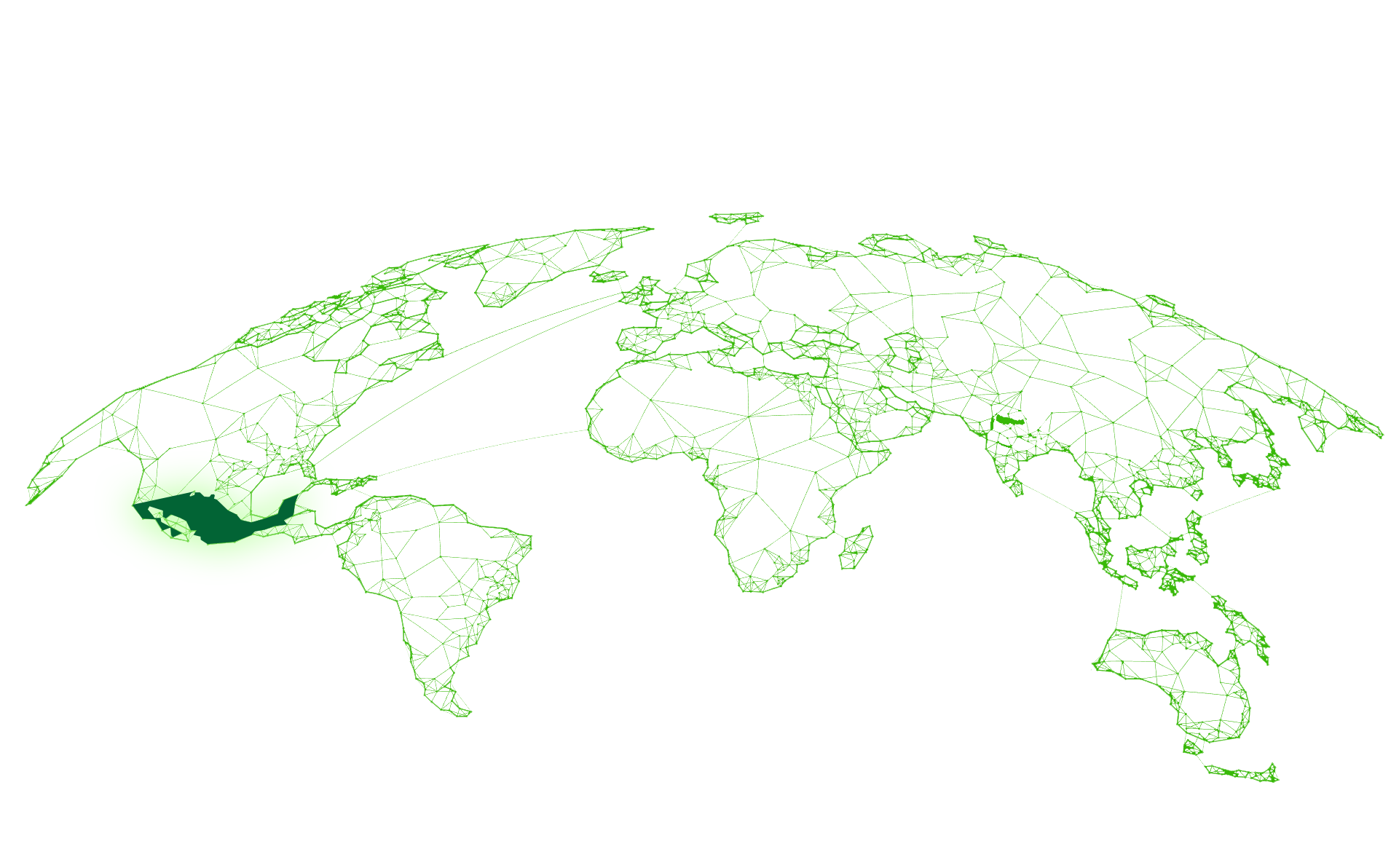
Dimitra works with cooperatives, exporters, industry associations, and governments to build structured traceability, compliance, and reporting systems. Deployments involving NACCU in Kenya, government-linked workflows in Uganda, ABRAFRUTAS in Brazil, and institutional-scale execution in Indonesia illustrate how the same infrastructure can operate across smallholder networks, export sectors, and national-level environments. Together, these examples show how verified data can scale from local field operations to broader systems that strengthen market readiness, coordination, and compliance.

Why this matters

Agriculture is becoming more data-driven, more regulated, and more interconnected.

As agricultural systems face rising expectations around traceability, environmental verification, defensible reporting, and asset-linked participation, the need for shared infrastructure becomes more urgent. Governments need systems that can support coordinated verification and reporting across regions and stakeholders. Exporters need reliable evidence for market access. Cooperatives and farmer networks need tools that make compliance, sustainability, and reporting practical in real field conditions. Dimitra helps connect these needs through one shared infrastructure layer.

Dimitra Values

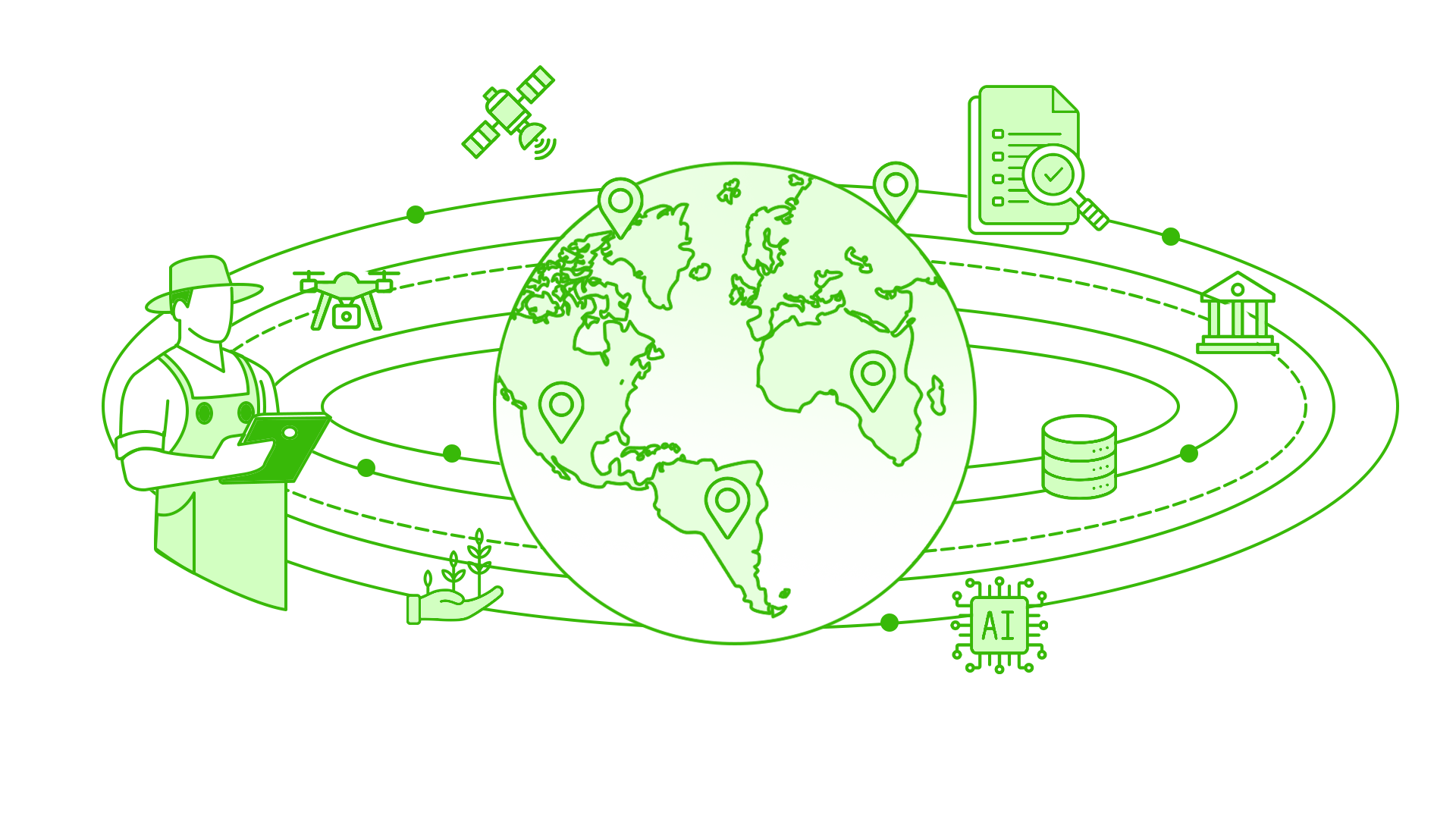
Dimitra provides the shared infrastructure needed to turn agricultural activity into trusted, reusable evidence. This helps governments, exporters, cooperatives, and institutional partners work from a more consistent foundation for compliance, reporting, and market-facing workflows. Through this system, Dimitra helps verify:

  • Farmer identity

  • Geospatial farm boundaries

  • Land-use history

  • Deforestation risk screening

  • Traceability documentation

  • Structured compliance outputs

  • Sustainability and reporting evidence

This shared foundation allows data-supported evidence to be generated once and reused across regulatory, commercial, environmental, and institutional workflows, including carbon- and RWA-related structures where appropriate.

From Local Operations to National Systems

Infrastructure that scales across stakeholders and regions

Dimitra is designed to operate across multiple layers of agricultural execution. It can support local farmer registration, cooperative workflows, exporter-facing traceability, and national-scale compliance systems within the same infrastructure environment. This makes it especially relevant for government-led and sovereign-scale opportunities, while also remaining practical for commercial and field-level users.

Why governments matter

Government-led and national-scale deployments are especially important because they help create shared infrastructure across entire agricultural systems. When ministries, regulators, or national institutions adopt common traceability, compliance and reporting workflows, the result is greater consistency in enforcement, stronger data governance, better coordination across stakeholders, and improved continuity for trade and market access. Dimitra is designed to support this transition with infrastructure that can operate across regions, farmer networks, and institutional frameworks.

National Registry Architecture

A geospatial backbone for enforceable agricultural compliance

Dimitra enables governments and institutions to implement standardized farmer registries that connect identity, farm boundaries, geospatial records, and core compliance data within one unified framework. This creates a stronger foundation for national agricultural governance by organizing how information is captured, linked, and maintained across regions and stakeholders. Built on that foundation, Dimitra also supports due diligence and enforcement workflows. As regulations such as EUDR and similar frameworks increase pressure for defensible reporting, the system helps automate traceability, land-use verification, risk screening, and compliance outputs in ways that improve consistency, reduce manual burden, and generate shareable documentation for regulators, exporters, buyers, and institutional partners.

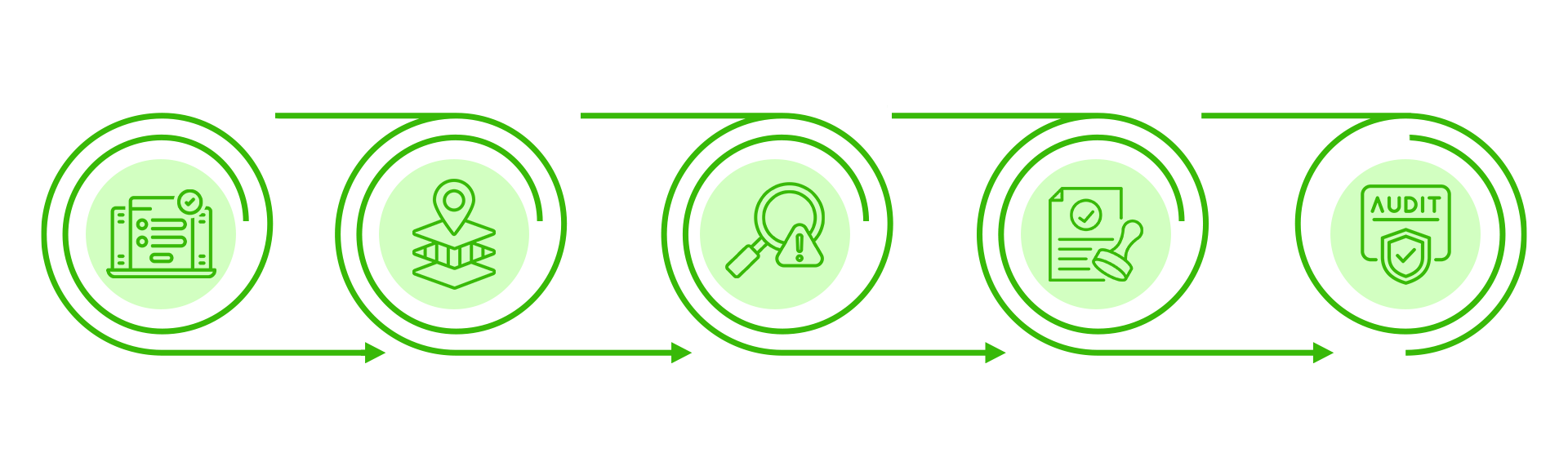
A phased path from compliance infrastructure to broader system relevance

Infrastructure evolves alongside regulation — from compliance execution to capital participation

How Dimitra supports partners in practice

Selected examples of how the platform helps institutions, cooperatives, and supply-chain partners operate with stronger data and clearer workflow

Dimitra’s infrastructure is already being deployed across sovereign and institutional programs, cooperative networks, export-oriented supply chains, and environmental initiatives. These real-world implementations demonstrate how one protocol foundation can support validation, traceability, compliance, MRV, and reporting workflows across very different operating environments.

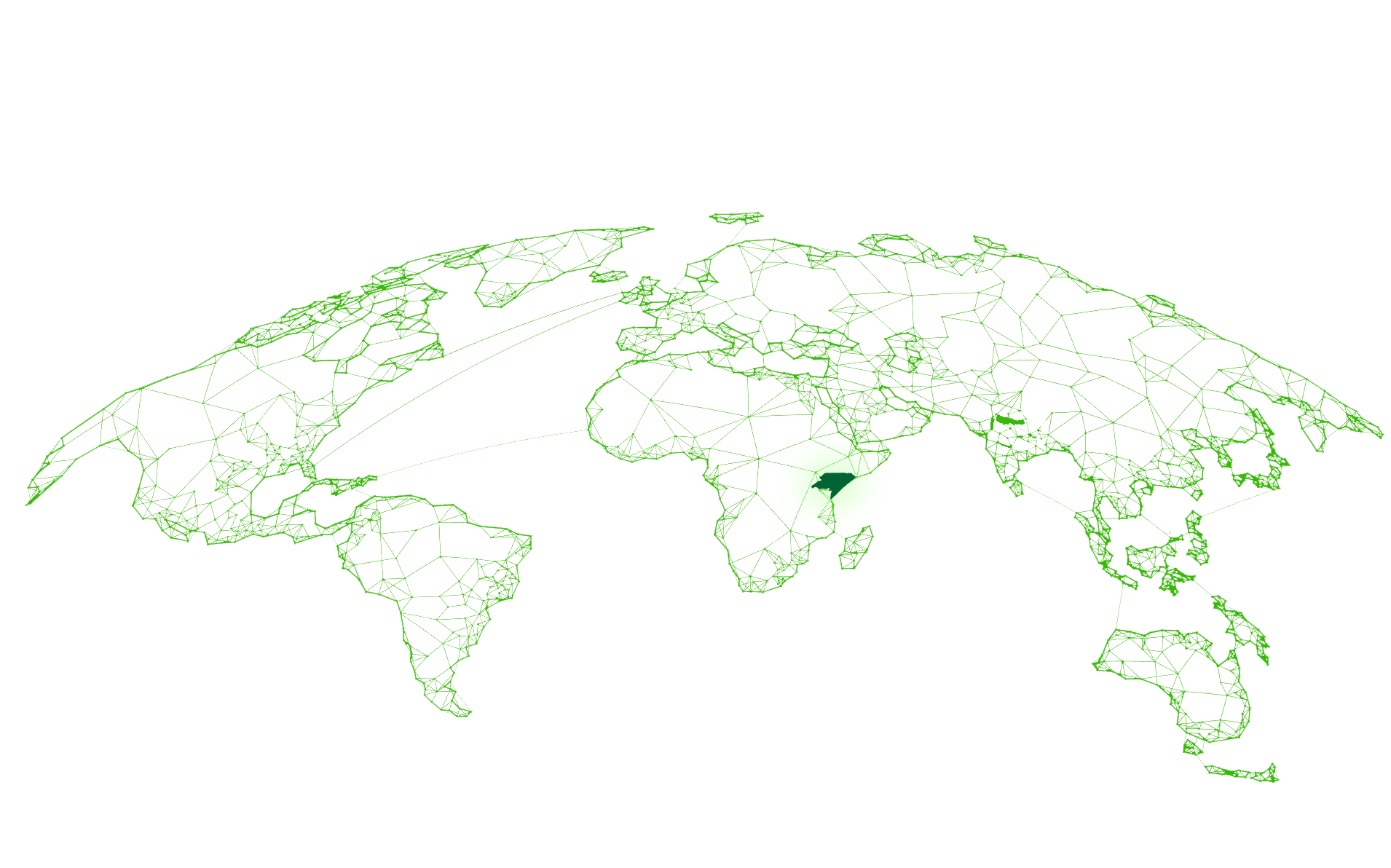
In Kenya, Dimitra supports cooperative-driven agricultural programs where traceability and reporting need to work across large farmer networks. Through the KAHAWA+ program, cooperative members are trained as “digital champions,” equipping them with the ESG Compass and Connected Coffee platforms to train peers, support farm registration, monitor sustainability indicators, and build the data foundation for long-term resilience. Protocol-powered services help standardize how data is captured and turned into usable outputs for stakeholders, while keeping the focus on practical adoption and long-term readiness.
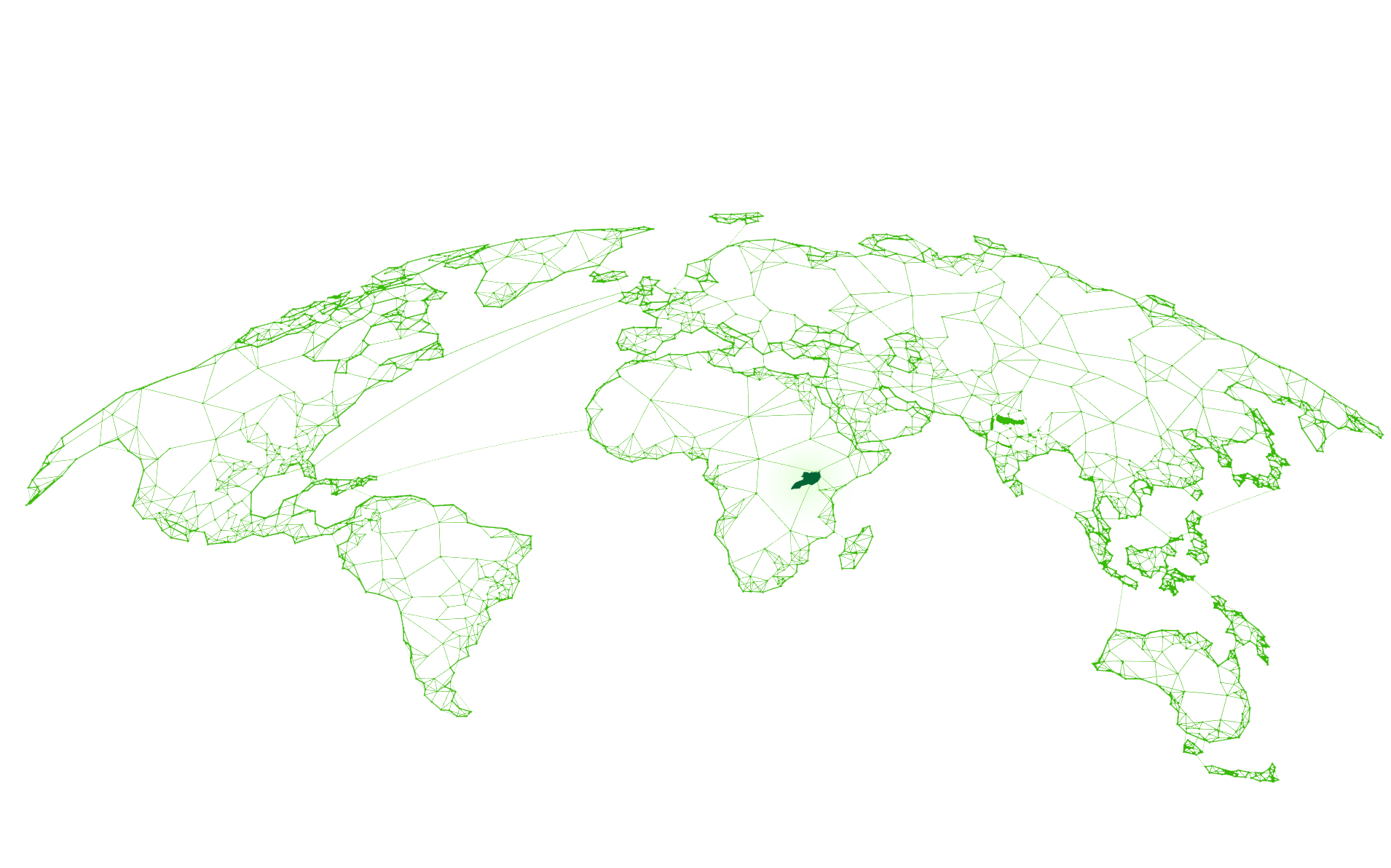
In Uganda, Dimitra’s work focuses on building reliable farm-level data and traceability foundations that can scale through cooperatives and partner programs. As one of only 5 permitted national partners, Dimitra is empowering cooperatives and agribusinesses in the food supply chain by providing the digital pathway towards premium markets. As workflows become routine, Protocol services help generate consistent outputs and audit trails that support market access and partner reporting requirements.
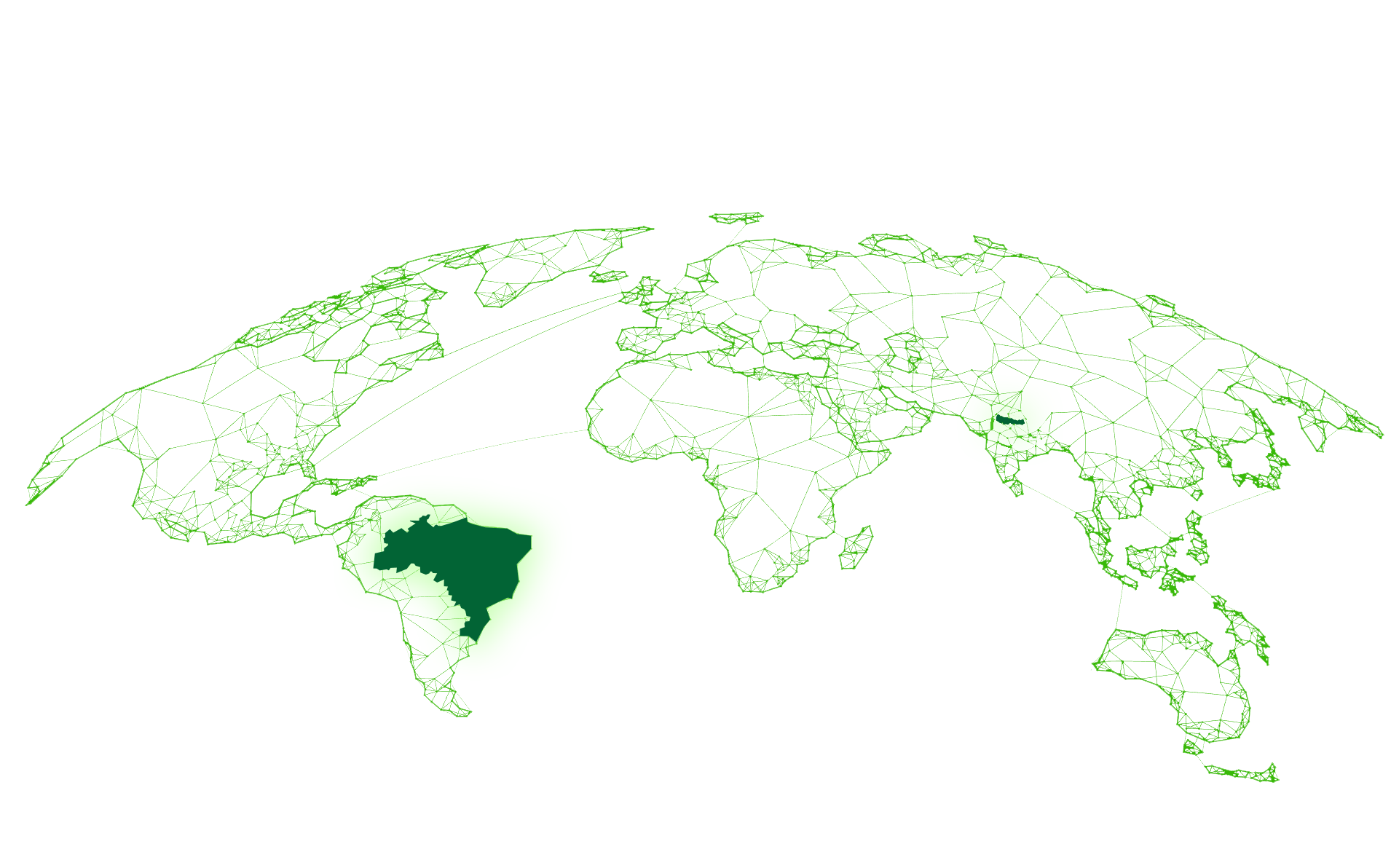
In Brazil, Dimitra supports stakeholders such as ABRAFRUTAS that need stronger ESG visibility, traceability, and reporting consistency across export-oriented supply chains. The platform helps organize certifications, operational records, and sustainability-related information into a clearer and more auditable structure. This makes it easier for sector partners to consolidate evidence, strengthen internal coordination, and respond more effectively to buyer and market requirements.
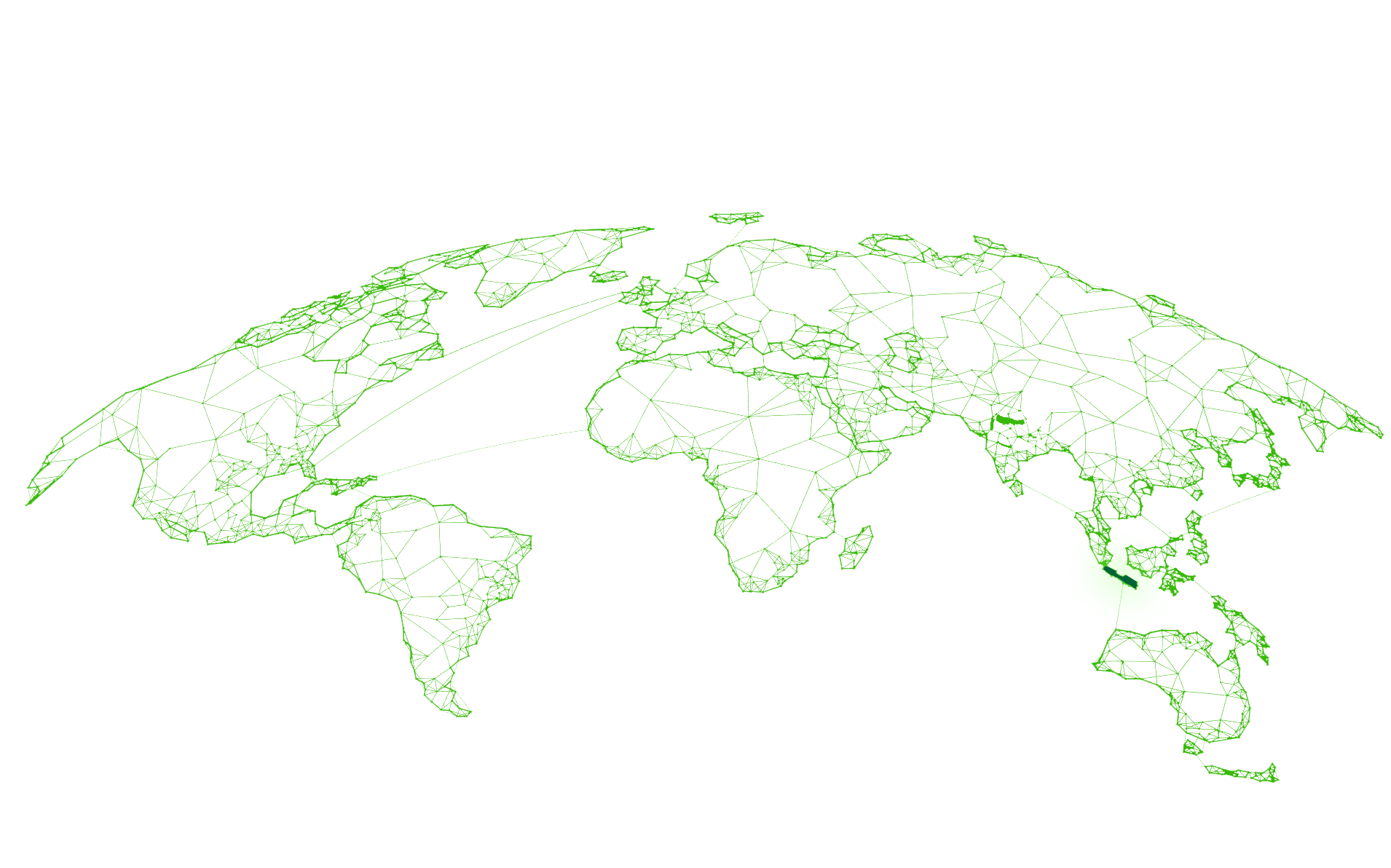
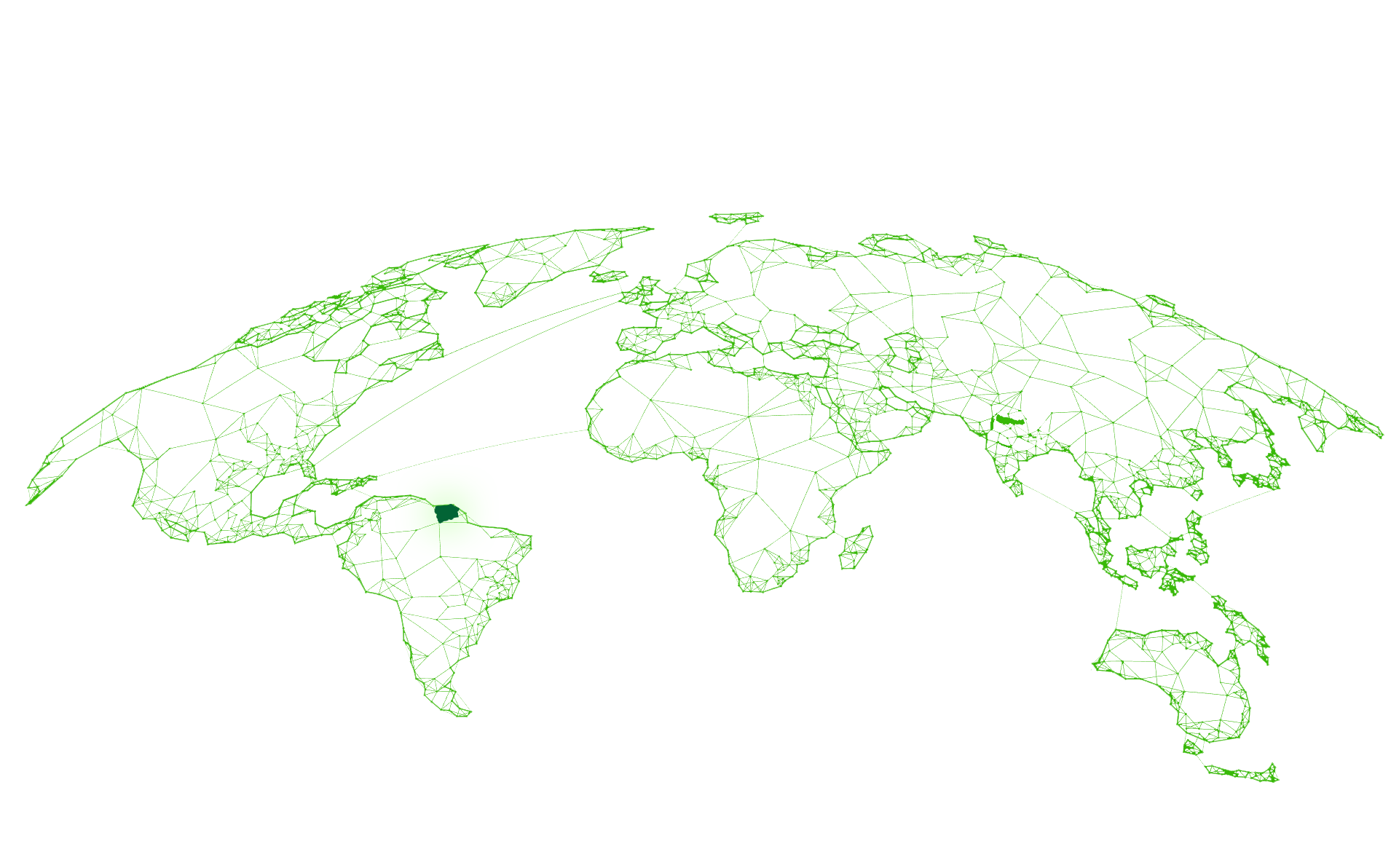
In Suriname, Dimitra is supporting farmers through a custom framework application for Indigenous pineapple farmers that brings digital registration, plot details, and end-to-end traceability into one workflow. Farmers can record crop activities, manage harvests, and create a secure, immutable history of how pineapples were produced, from planting through harvest. The app also supports practical agronomy improvements, such as mechanical land preparation and artificial flower induction, helping producer groups meet premium market expectations that require transparent sourcing and verifiable practices.
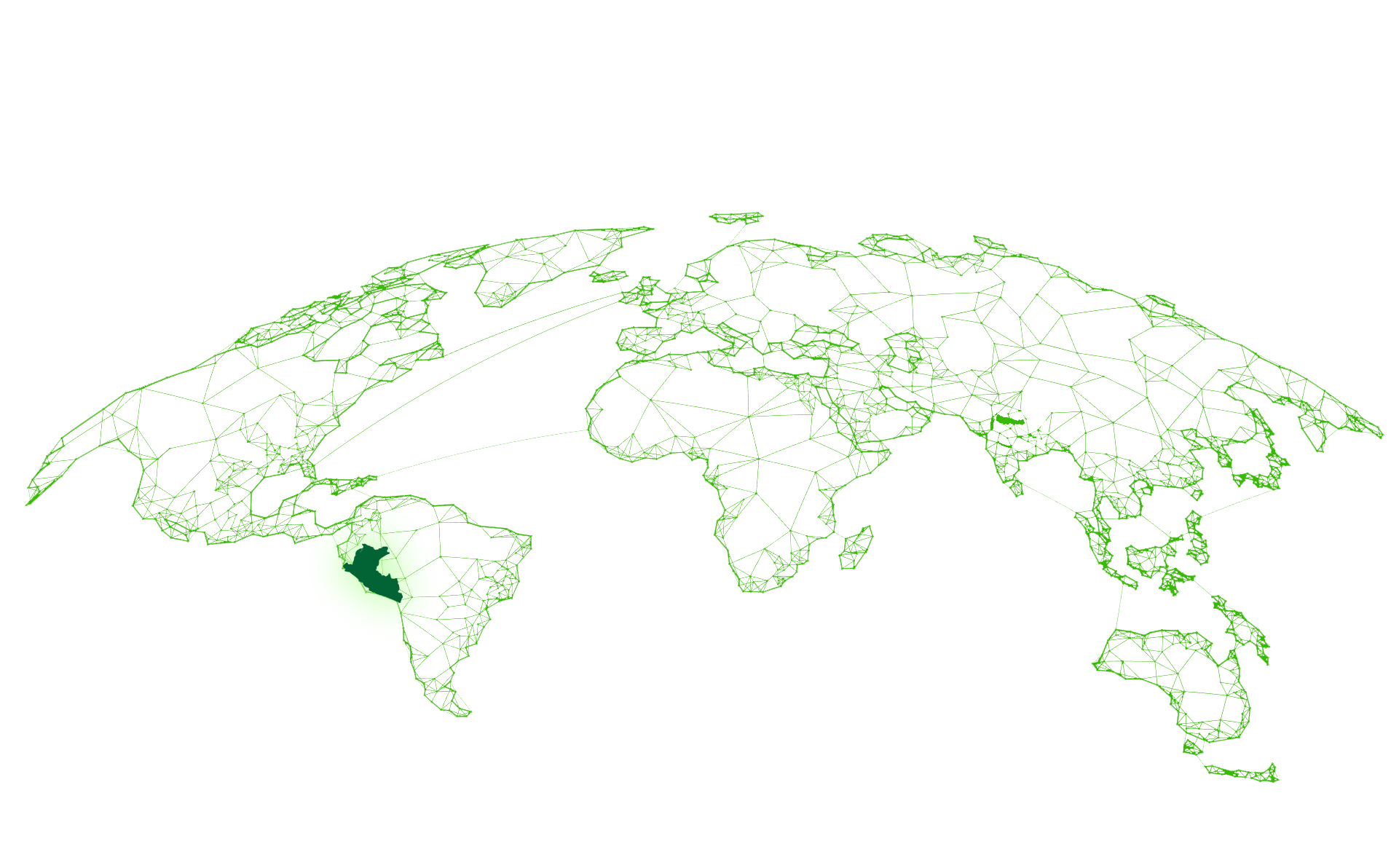
In Peru, Dimitra supports cooperatives such as CACI Satinaki, Incahuasi, and Florida that need stronger traceability, deforestation awareness, and clearer documentation across farmer networks. The platform helps convert field activity into structured evidence that can support buyer expectations and evolving compliance requirements, while reducing unnecessary friction for farmers and cooperative teams. By combining digital workflows with tools such as satellite imagery, AI support, and yield-related analysis, Dimitra helps these organizations take practical steps toward more structured and resilient agricultural operations.
In Mexico, Dimitra supports projects that connect land stewardship, environmental reporting, and traceable program workflows. In the Dimitra Carbon: Mexico Conservation Project, the platform helps structure MRV-related documentation, improve audit readiness, and organize project data in a way that supports long-term participation. Where carbon programs are involved, Dimitra helps partners build a stronger operational foundation, while independent third parties remain responsible for verification and issuance under the applicable standard.

Institutional Standards

Built for governance, not experimentation

Dimitra operates according to institutional requirements for transparency, auditability, and long-term system durability. Role-based access controls, blockchain-secured audit trails, and clear separation between infrastructure and token utility ensure regulatory clarity and operational integrity.

Trusted infrastructure for the people and institutions that move agriculture

Stronger systems create better coordination, clearer evidence, and wider market readiness

Whether supporting governments, cooperatives, exporters, or development programs, Dimitra helps agricultural systems operate with more structure, stronger evidence, and greater readiness for changing regulatory and market demands.